Rat on toilet bowl in light bathroom Rat on toilet bowl in light bathroom pest Infestations stock pictures, royalty-free photos & images

Dealing with pests in your home or business can be frustrating and overwhelming. Knowing when to involve experts can save time, money, and prevent the problem from escalating.

Signs That Indicate You Need Professional Help

  • Recurring Infestations: If pests keep coming back despite your efforts, it’s a sign that the issue requires professional attention. Experts can identify hidden nests or colonies and provide long-term solutions.
  • Structural Damage: Termites, carpenter ants, and other pests can cause significant damage to wood structures, drywall, or insulation. Visible damage often means a serious underlying infestation.
  • Health Risks: Some pests like rodents and cockroaches carry diseases that pose threats to human health.
  • Unidentified Pests: Certain pests are difficult to identify without proper training. If you’re unsure what type of pest has invaded your space, professionals can diagnose and treat the problem effectively.
  • Large Infestation: A widespread infestation is nearly impossible to manage without expert help. Multiple sightings of pests or overwhelming numbers warrant immediate intervention.

Benefits of Hiring Professional Pest Control Services

  1. Expert Knowledge
  2. Proper Equipment and Treatment Methods
    Most homeowners lack access to commercial-grade tools and treatments designed for specific infestations. Professionals use safe and effective materials that comply with regulations.
  3. Minimized Risk
    Misusing chemicals during DIY treatments can endanger both humans and pets. Pest control specialists follow strict safety protocols to ensure minimal exposure to harmful substances.
  4. Long-Term Prevention Plans

DIY vs Professional Services Comparison Table

Factor DIY Approach Professional Services
Cost (Initial Investment) Lower upfront cost Higher upfront cost
Effectiveness on Large Infestations Limited Highly effective
Knowledge Required Basic knowledge of common pests Expertise in all pest types
Safety Concerns Higher chance of chemical misuse Low risk due to trained technicians
Prevention Measures Offered Minimal Comprehensive strategies

When Acting Quickly Matters

Delaying action can lead to severe consequences including structural damage, disease spread, increased costs for repairs or fumigation services, and even potential eviction from rental properties due to health hazards caused by infestations.

If you’ve noticed any signs outlined above or feel overwhelmed by an ongoing pest issue, it’s always better to consult professionals sooner rather than later for an efficient solution tailored specifically for your needs.

Florida Pest Control: Everything You Should Know About Nature’s Garden Ninjas

The praying mantis is an extraordinary insect widely regarded as one of nature’s most effective predators. Their unique appearance, predatory skills, and ecological importance make them fascinating creatures worth learning about. Below, we delve into everything you need to know about these garden ninjas and how they play an integral role in maintaining the balance of ecosystems.

Characteristics of the Praying Mantis

The praying mantis is named for its front legs, which are often folded in a “prayer-like” pose.

  • Long, slender bodies varying in color from green to brown.
  • Triangular heads that can rotate up to 180 degrees, allowing them to scan their surroundings.
  • Prominent compound eyes that provide a wide field of vision and excellent depth perception.
  • Highly skilled ambush predator.
  • Masters of camouflage; they blend seamlessly into plants or flowers.
  • Diet
    Mantises are primarily carnivorous and feed on smaller insects such as flies, aphids, crickets, and even other mantises. In some cases, they may capture larger prey like small reptiles or birds if the opportunity arises.

Role of Praying Mantises in Your Garden

Praying mantises are one of nature’s most efficient pest control agents. They help maintain balance in your garden by naturally regulating populations of harmful insects.

  1. Natural Pest Control
    They eat pests such as aphids, mosquitoes, caterpillars, and beetles that can destroy plants and crops.
  2. Low Maintenance Allies
    Unlike chemical pesticides that may harm beneficial organisms or pollinators like bees and butterflies, mantises only target pests without damaging the environment.
  3. Eco-Friendly Solution
    Having praying mantises around reduces reliance on chemical interventions for pest management.

How to Attract Praying Mantises

  • Plant Diversity
    Grow a variety of shrubs and flowering plants where they can nest or hunt.
  • Avoid Pesticides
    Limit the use of broad-spectrum pesticides as they may kill beneficial insects like praying mantises.
  • Purchase Egg Cases (Oothecae)
    You can purchase praying mantis egg cases online or at gardening stores during springtime. Place them strategically around your yard to encourage population growth.

Interesting Facts About Praying Mantises

Fact Description
Vision Can detect motion up to 60 feet away due to their excellent eyesight.
Lifespan Typically live for about one year in the wild.
Predatory Style They remain motionless for long periods before striking their prey at lightning speed (in just milliseconds).
Mating Behavior Females sometimes exhibit sexual cannibalism by consuming males after mating—though this behavior isn’t universal across all species!

Understanding the ecological role played by praying mantises highlights their significance as more than just fascinating creatures—they’re vital allies in keeping outdoor spaces thriving with life while reducing pest populations naturally. By protecting and encouraging their presence in gardens and agricultural areas alike, we allow nature’s balance to flourish effectively without intrusive interventions.

Exterminators in Florida: Everything You Should Know About Nature’s Garden Ninjas

The praying mantis is one of nature’s most fascinating insects, often referred to as “garden ninjas” due to their stealthy movements and efficient predation. These unique creatures not only captivate with their appearance but also play an essential role in maintaining the ecological balance of gardens and natural environments. Below, we explore key aspects of the praying mantis, including its biology, behavior, and benefits for your garden.

Physical Characteristics of the Praying Mantis

Praying mantises are easily recognizable by their slender bodies and distinctive forelegs, which they hold in a prayer-like position.

  • Size: Depending on the species, they can range from 1 to 6 inches in length.
  • Coloration: They typically appear green or brown to blend seamlessly into foliage.
  • Flexibility: Their heads can rotate up to 180 degrees, allowing them to scan their surroundings effectively.

These characteristics enable them to remain camouflaged while waiting for prey.

Behavior and Hunting Techniques

Praying mantises are highly skilled predators with a hunting strategy that relies on patience, speed, and precision.

  • Ambush Predators: They remain motionless for long periods until an unsuspecting insect approaches within striking distance.
  • Common prey includes flies, crickets, moths, grasshoppers, and even other mantises.
  • Larger species have been observed hunting small reptiles or amphibians.
  • Quick Strikes: Their specialized forelegs are equipped with spines that grasp prey securely during an attack.

Life Cycle of a Praying Mantis

Stage Description
Egg Females lay clusters called “ootheca” that protect eggs through winter.
Nymph Hatchlings resemble smaller adults but lack wings; they molt several times.
Adult Fully grown mantises develop wings and focus on reproduction and hunting.

The entire lifecycle spans about six months to a year.

Benefits of Having Praying Mantises in Your Garden

  1. Mantises feed on destructive insects like aphids and caterpillars.
  2. Their presence reduces dependency on chemical pesticides.
  3. Unlike some insects that damage leaves or roots, praying mantises directly target pests without harming vegetation.
  4. Encouraging these predators supports ecological health by balancing insect populations naturally.

Encouraging Praying Mantises in Your Garden

  • Avoid using chemical pesticides that could harm them or reduce available prey.
  • Maintain diverse plant life with shrubs and tall grasses where they can find cover.
  • Consider purchasing ootheca (mantis egg cases) from reputable suppliers during springtime.

By fostering an environment suited for these remarkable insects, you can benefit from their pest-controlling abilities while enjoying their fascinating presence.

The praying mantis truly lives up to its reputation as nature’s garden ninja—a stealthy predator vital for pest control success while contributing significantly to the balance of natural ecosystems.

Pest Control At Home Woman Spraying Insecticide With Sprayer At Home pest Infestations stock pictures, royalty-free photos & images

The Importance of Pest Removal Services in Florida for Ecosystem Balance and Control

Pests may seem like an inconvenience, but they play a significant role in maintaining balance within natural ecosystems. Understanding their function in these environments can help us appreciate their ecological importance and inform pest control strategies that align with sustainable practices.

https://palmbaypestcontrol4.wordpress.com

The Ecological Role of Pests

Pests contribute to ecosystems in various ways, often functioning as a vital component of the food web.

  • Decomposers: Certain pests, such as termites and beetles, aid in breaking down organic material like dead plants and animals.
  • Prey for Other Species: Many pests serve as a crucial food source for birds, amphibians, reptiles, and mammals.
  • Aphids are a common food source for ladybugs.
  • Mosquito larvae are consumed by fish and aquatic insects.
  • Pollinators: While not often thought of as pests in this context, some insects like flies contribute to pollination, supporting plant reproduction and crop yields.

How Pests Maintain Ecosystem Balance

Nature has built-in mechanisms to keep populations under control through predator-prey relationships.

Pest Species Natural Predator(s) Function Provided by Predators
Aphids Ladybugs, lacewings Reduces overpopulation that harms plants
Mosquitoes Dragonflies, bats Helps control the spread of diseases
Caterpillars Birds Prevents foliage devastation

Without these natural checks and balances provided by predators or environmental factors like weather conditions, ecosystems risk becoming destabilized. Overpopulation of pests could lead to resource depletion or disease outbreaks among flora and fauna.

Sustainable Pest Control Practices

Understanding the ecological roles of pests can help guide sustainable pest management practices that minimize harm to beneficial organisms within an ecosystem.

  1. A combination of biological controls (introducing natural predators) and environmentally friendly chemical applications is used to manage infestations effectively while preserving biodiversity.
  2. Planting native shrubs or flowers can attract beneficial insects like ladybugs or predatory wasps to your garden.
  3. Opting for targeted pesticide applications reduces the risk of harming non-pest species critical for maintaining balance.
  4. Maintaining healthy ecosystems discourages pest outbreaks by fostering a diverse range of organisms that naturally regulate one another.

Understanding how pests influence the intricate web of life not only highlights their importance but also underscores why approaches such as IPM prioritize coexistence over eradication wherever possible. By focusing on balance rather than elimination, we ensure both human needs and ecological health remain safeguarded over time.

How to Spot Early Signs of a Pest Infestation with a Florida Pest Control Service

Timely identification of pests in your home is crucial to prevent infestation from escalating into a larger, more costly problem. Recognizing early signs can help you take quick action and mitigate damage. Below are expert tips to assist you in identifying the early warning signals of a pest issue.

Inspect for Physical Evidence

One of the most direct ways to identify pests is through physical evidence.

  • Droppings: Rodents and insects often leave behind droppings, which are key indicators of their presence.
  • Rodent droppings are typically dark and pellet-shaped.
  • Cockroach droppings resemble ground pepper or coffee grounds.
  • Dead Insects: Finding dead bugs near window sills, corners, or entry points can indicate an active infestation.
  • Egg Casings or Shed Skins: Many pests such as roaches and bed bugs leave behind eggshells or molted skin.

Use a flashlight during inspections to focus on tight spaces, cracks, and hidden areas where pests might reside.

Pay Attention to Unusual Noises

Some pests are active at night, making it essential to listen for unusual sounds after dark: – Scratching or scurrying noises may point to rodents like mice or rats nesting within walls or attics. – Buzzing sounds could indicate flying insects such as wasps, hornets, or flies.

These noises often originate from specific areas like walls, ceilings, basements, or chimneys.

Check for Structural Damage

Pests like termites and rodents can cause noticeable damage over time.Gnawed Wires and Wood: Rodents often chew on electrical wires and wood structures within your home.Hollow-Sounding Wood: Tap wooden furniture or beams—hollow sounds may signal termite damage beneath the surface.Damaged Entry Points: Chewed window screens, gaps near doors, and small holes in walls could be entryways created by pests.

A proactive inspection of your home’s structural elements can prevent these issues from worsening.

Monitor for Foul Odors

Certain pests produce distinct odors that serve as an indicator of their presence: – A strong musty smell might indicate bed bugs. – Ammonia-like odors may signify rodent urine. – Rotting food odors could result from pest activity around improperly stored food items.

These smells often linger near pest nesting sites like cupboards, basements, or pantries.

Observe Changes in Your Surroundings

Changes in your living environment can also point toward an infestation: – Greasy smudges along baseboards may be caused by rodents’ oily fur rubbing against surfaces. – Piles of sawdust-like material (frass) could indicate wood-boring insects like carpenter ants or termites. – Plants with chewed leaves might suggest outdoor-to-indoor pest migration.

Pay attention to both indoor and outdoor spaces when monitoring changes in your surroundings.

Quick Reference Table for Common Signs

Pest Type Common Signs Potential Areas Affected
Rodents Droppings, gnawed wires/wood Attic, kitchen cabinets
Termites Hollow-sounding wood, frass Wooden furniture/beams
Bed Bugs Musty smell; red bite marks Mattresses; fabric furniture
Cockroaches Ground pepper-like droppings; egg casings Kitchens; bathrooms
Ants Trails toward food sources Pantry; countertops

By referring to this table during routine checks around your home, you can quickly narrow down potential culprits based on observed evidence.

Regular inspections using these tips should form part of a preventative strategy against infestations. Identifying these signs promptly allows homeowners to address the issue early—saving both time and resources while ensuring a healthier living environment.
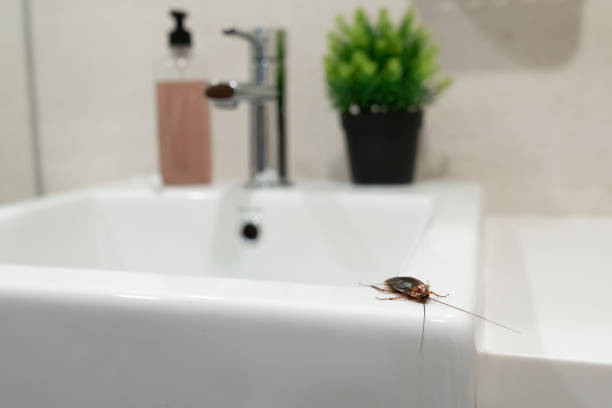
Cockroach in the bathroom on the sink. The problem with insects. Cockroach in the bathroom on the sink. The problem with insects pest Infestations stock pictures, royalty-free photos & images

Effective Pest Removal: Why Acting Swiftly is Crucial for Common Infestations

Pest problems can escalate quickly if left unchecked, leading to potential health risks, property damage, and increased costs for removal. Acting swiftly when dealing with pests is crucial to mitigate these risks and maintain a safe living or working environment.

Why Acting Quickly Matters

  1. Pests such as rodents, cockroaches, or ants reproduce rapidly. A small problem today can become a full-blown infestation within weeks if not addressed promptly.
  2. Pests can carry diseases that may affect your family or employees. Prompt action reduces exposure to harmful bacteria, viruses, and allergens spread by pests like rodents or cockroaches.
    • Hantavirus from rodents
    • Salmonella from contaminated surfaces
    • Asthma triggers caused by cockroach droppings
  3. Certain pests like termites and carpenter ants cause severe structural damage over time by eating away at wood in homes or buildings. Early detection and intervention save thousands in repair costs.

Steps for Swift Action Against Pests

  1. Early Identification
    Learn to recognize the signs of a potential pest problem:
  2. Droppings or urine stains
  3. Chewed wires or furniture
  4. Unusual odors (e. g.
  5. Visible nests or burrows
  6. DIY Solutions for Minor Problems
    For small infestations:
  7. Seal cracks and gaps around windows, doors, and pipes.
  8. Use traps for rodents or bait stations for ants.
  9. Apply diatomaceous earth for crawling insects like cockroaches.
  10. Know When to Call Professionals
    Some problems require expert intervention:
  11. Persistent infestations despite DIY efforts
  12. Structural damage caused by termites
  13. Large nests of stinging insects such as wasps or hornets
  14. Preventative Measures
    Taking proactive steps can prevent future issues:

    • Regularly clean food crumbs and spills.
    • Store food in sealed containers.
    • Dispose of garbage regularly and keep lids secure.

Cost Implications of Delayed Action

Problem Type Cost Impact
Structural Repairs Thousands due to termite damage
Health Treatments Medical bills resulting from allergies/infections
Professional Services Higher extermination costs for severe infestations

Timely action not only saves money but also ensures that your home remains a safe environment for your family or colleagues.

Final Thoughts on Swift Pest Control

Dealing with pests requires immediate attention at the first sign of trouble. By staying vigilant, using preventative measures, and seeking professional help when necessary, you can avoid costly damages while maintaining health and safety standards in your space. Remember that being proactive is always better than being reactive when it comes to managing pests effectively.


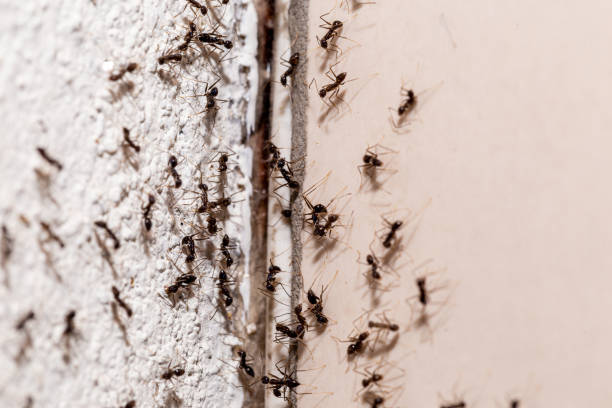
bugs on the wall, coming out through crack in the wall, sweet ant infestation indoors bugs on the wall, coming out through crack in the wall, sweet ant infestation indoors pest Infestations stock pictures, royalty-free photos & images

Managing pest infestations can be a challenging and frustrating experience for homeowners and businesses alike. While some minor pest issues can be addressed with over-the-counter solutions, there are situations where professional pest control services are not only recommended but necessary. Knowing when to hire a pest control company can save you time, money, and prevent potential health risks.

Signs That You Should Call a Pest Control Company

  • Recurring Infestations: If pests keep returning despite your repeated efforts, it may signal that the root cause isn’t being addressed.
  • Large-Scale Infestations: A significant number of pests (e.g., multiple nests or colonies) often requires advanced knowledge, tools, and chemicals only professionals possess.
  • Health Risks: When pests pose direct health risks (e.g., rodents carrying diseases or venomous spiders), it’s critical to involve experts.
  • Structural Damage: Pests like termites or carpenter ants can cause severe structural harm. Professional intervention is crucial in these cases to prevent further deterioration.
  • Unidentified Pests: If you’re unsure about the type of pest or how to handle them safely, professional identification and treatment are essential.

Advantages of Hiring Professionals

  1. Accurate Identification
    Professionals are trained to identify both the type of pest and their entry points. Misidentifying pests often leads to ineffective treatments.
  2. Safe Use of Chemicals
    Over-the-counter pesticides can be dangerous if used improperly. Licensed technicians ensure that treatments are safe for your family, pets, and the environment.
  3. Long-Term Solutions
    Professionals address not just the visible pests but also their sources—such as nests or food supplies—to help prevent future infestations.
  4. Time Efficiency
    Instead of spending weeks experimenting with DIY methods, professionals resolve problems quickly using proven techniques.

Scenarios Where Professional Help is Crucial

Pest Type Why Professional Help is Needed
Termites Cause structural damage; require specialized inspection & treatment
Bed Bugs Resilient; DIY solutions rarely eliminate them completely
Rodents Spread diseases; require trapping/poisoning handled with precision
Cockroaches Breed rapidly; resistant to many over-the-counter sprays
Wasps & Bees Aggressive behavior; removing nests without training is dangerous

Preventing Escalation

Ignoring early signs of infestations often allows pests to multiply unchecked, exacerbating damage and increasing costs down the line. For example: – Small termite colonies might seem manageable but could lead to extensive repairs if untreated. – A single mouse sighting might indicate a larger hidden population requiring immediate action.

By recognizing when professional intervention is necessary—and acting promptly—you safeguard your home’s integrity while protecting your family’s well-being from potential hazards associated with pests.

Why Hiring a Pest Control Company is Safer and More Effective Than DIY Methods

When faced with a pest problem, many homeowners consider tackling the issue on their own. While this may seem like a cost-effective solution at first glance, DIY pest control methods often come with hidden risks and drawbacks. It’s essential to understand how these methods can end up being costly, dangerous, and ultimately ineffective in dealing with infestations.

Understanding the Benefits of Hiring Exterminators in Florida Over DIY Pest Control

  • Ineffective Products: Many store-bought pest control products provide only temporary relief or fail to address the root cause of an infestation.
  • Frequent Purchases: Repeatedly buying products to manage recurring pests can quickly add up in costs.
  • Property Damage: Poorly executed pest control efforts can lead to structural damage (e.g., termites or rodents left unchecked), costing thousands of dollars in repairs.
  • Health Expenses: Mishandling toxic chemicals or exposure to pests such as rodents or insects can result in medical bills due to allergic reactions or illnesses.

Understanding the Risks of DIY Pest Control vs. Professional Pest Removal Services in Florida

  1. Many pesticides contain harmful chemicals that require careful handling.
  2. Inadequate ventilation during application may lead to inhalation of toxic fumes.
  3. Improper storage can pose risks to children and pets.
  4. Overusing products increases toxicity levels in your environment.
  5. Applying pesticides incorrectly could harm beneficial insects or contaminate water supplies.
  6. Handling traps for rodents or insects can lead to bites, stings, scratches, or injuries.
  7. Attics and crawl spaces where pests often hide may present fall hazards during inspection attempts.

Why Florida Pest Control Service is More Effective Than DIY Methods

Common Pests Challenges Faced by DIY Efforts Professional Expertise Required
Termites Hidden colonies difficult to locate Knowledge of structural vulnerabilities
Bed bugs Rapid reproduction; pesticide resistance Heat treatments and precise eradication plans
Rodents Intelligent evasion and rapid population growth Understanding behavior patterns
Cockroaches Adaptability and resistance to many over-the-counter sprays Access to stronger commercial-grade solutions

Why Professional Pest Removal Services Are More Reliable

Professional exterminators utilize their training, experience, and advanced tools to safely eliminate pests while preventing future infestations. They assess the extent of an issue comprehensively before implementing sustainable solutions tailored specifically for your property.

While it might be tempting to handle pest issues yourself as a short-term fix, doing so often results in higher long-term costs and greater dangers compared to working with trained professionals who ensure effective results without compromising your safety or health.

DIY Pest Control Methods That Can Be Costly, Dangerous, and Ineffective

While many homeowners may attempt DIY pest control methods as a cost-saving measure, such approaches often lead to greater expenses, potential safety risks, and unsatisfactory results. It’s essential to understand the limitations of DIY pest control to make informed decisions about how to address pest issues effectively.

Common DIY Pest Control Methods

Individuals often resort to these common do-it-yourself pest control techniques:
Chemical Sprays: Over-the-counter insecticides and sprays designed for specific pests.
Homemade Remedies: Solutions such as vinegar sprays, diatomaceous earth, or essential oils.
Traps: Sticky traps or snap traps for insects and rodents.
Sealing Cracks: Blocking potential entry points with caulk or foam sealants.

While these methods may seem straightforward, they often fail to address the root cause of infestations.

The Hidden Costs of DIY Approaches

Addressing a pest problem yourself might seem economical at first glance. However, there are several hidden costs associated with these methods:
1. Reoccurring Expenses: Inadequate treatments mean pests return repeatedly, requiring additional purchases of products over time.
2. Property Damage: Ineffective control can allow pests like termites or rodents to damage home structures further, leading to costly repairs.
3. Health Risks: The improper use of pesticides can result in exposure to harmful chemicals that pose risks to both humans and pets.

Safety Risks Associated with DIY Pest Control

DIY pest control methods can inadvertently create hazards:
Misuse of Chemicals: Without proper knowledge or training in pesticide application, individuals risk over-applying or using incompatible products that may harm the environment and household inhabitants.
Injury from Traps: Mechanical traps can cause injuries if not handled correctly during setup or disposal of pests.
Failed Rodent Removal: Incomplete elimination efforts may result in decomposing rodents trapped within walls or crawl spaces, creating health hazards from odor and bacteria.

When Professional Help Becomes Essential

Although minor pest problems might be manageable on your own initially, professional assistance is often required when:
– Infestations grow beyond visible areas into walls or attic spaces.
– Structural damage becomes apparent (e.g., wood weakening from termites).
– You’re dealing with hazardous pests such as wasps, bed bugs, or venomous spiders.

https://westpalmbeachflexterminator.wordpress.com

Taking proactive steps with expert help prevents unnecessary risks while ensuring thorough eradication rather than short-lived fixes offered by many DIY solutions.

Close up Cockroach on toothbrush Close up Cockroach on toothbrush, Denotes infection pest Infestations stock pictures, royalty-free photos & images

How Hiring a Pest Control Company Can Save You Time and Effort

Expertise Streamlines the Process

Professional pest control technicians are trained to identify various pests quickly and accurately. They know where pests hide, how they behave, and the most effective methods to eliminate them. This expertise saves you from spending hours researching pest solutions or using trial-and-error approaches that may not work.

  • Accurate Identification: Professionals quickly determine whether you’re dealing with termites, rodents, cockroaches, or other pests.
  • Custom Solutions: Technicians tailor their approach based on the type of infestation rather than relying on generic products available in stores.
  • Faster Results: With their knowledge of proven treatments, professionals often resolve issues faster than DIY methods allow.

Reduces Physical Effort

Pest control often involves tasks such as moving furniture to access infested areas or applying treatment in hard-to-reach spaces like attics or crawlspaces. A licensed pest control specialist handles these physically demanding jobs for you while ensuring all areas are treated effectively.

Additionally: – You avoid exposure to hazardous chemicals that may be part of certain treatments. – Professionals use specialized equipment to treat large or hidden infestations efficiently.

Prevents Repeated Efforts

DIY pest control solutions can sometimes lead to short-term fixes rather than addressing the root cause of the problem. Without proper measures in place, infestations may return—even stronger than before—requiring repeated interventions.

Key advantages offered by professionals include: 1. Long-lasting treatments targeting both visible pests and their breeding grounds. 2. Guidance on preventative measures to keep pests from returning. 3. Regular follow-up inspections (offered by many companies) ensure that the problem remains under control.

DIY Pest Control Professional Pest Control Services
May require multiple attempts One-time application often effective
Risk of misidentifying infestation Accurate identification saves effort
Limited access to potent solutions Use of advanced tools & chemicals

Saves Time for Other Priorities

Time is one of your most valuable assets, and battling an infestation can easily eat into your schedule—especially if you lack experience with pest management techniques. By hiring a company dedicated to this task: – You free up hours that can be spent on work projects or family activities. – Professionals handle scheduling at convenient times for you. – Emergencies are addressed swiftly so life returns to normal faster.

Ultimately, hiring a pest control company is an investment in convenience and peace of mind, allowing you to focus on what truly matters while skilled experts handle the issue effectively from start to finish.

The Importance of Professional Pest Control Services for Long-Term Solutions

Pest infestations can pose significant challenges to homeowners and businesses alike. While temporary fixes may seem appealing, they often fail to address the root cause of the problem, allowing pests to return. Professional pest control services offer comprehensive, long-term solutions that go beyond quick fixes. Below, we explore why engaging experienced professionals is essential for sustainable pest management.

Comprehensive Inspection and Identification

  • Locate nesting sites
  • Identify entry points
  • Pinpoint sources of food and water that sustain infestations

By addressing these factors, they ensure a more effective and lasting solution.

Customized Treatment Plans

  1. Type of Pest: Treatments are designed for species-specific effectiveness (e.g., rodents versus termites).
  2. Severity of Infestation: Professionals can scale their approach based on infestation levels, from preventive measures to full-scale remediation.
  3. Environmental Considerations: Eco-friendly options are available for those concerned about minimizing environmental impact or exposure to harmful chemicals.

This customized approach improves efficacy while reducing unnecessary chemical use.

Preventive Measures for Future Protection

  • Sealing potential entry points like cracks or gaps in walls and foundations
  • Offering advice on proper sanitation practices such as food storage and waste management
  • Setting up long-term monitoring systems like bait traps or termite stations

These preventive measures safeguard your space from recurring intrusions.

Benefits Over DIY Methods

DIY Methods Professional Pest Control Services
Limited knowledge of pest biology Expert understanding based on experience
Temporary results Long-lasting solutions
Higher risk with incorrect chemical usage Safer application by licensed technicians
Time-consuming process Efficient treatments that save time

The table above illustrates why relying on professionals offers superior outcomes when compared to tackling infestations yourself.

Cost Savings Over Time

  • Expensive repairs caused by structural damage (e.g., termites)
  • Health-related costs due to exposure from disease-carrying pests (e.g., rodents)
  • Wasted money spent on ineffective DIY products

Investing in a professional service ensures both peace of mind and financial savings over time.

Effective long-term pest management requires expertise, precision, and preventive care — all hallmarks of professional services. By choosing skilled technicians with proven methods, you protect your property and health while ensuring pests stay away for good.


Grey rat near wooden wall on floor. Pest control Grey rat near wooden wall on floor. Pest control pest Infestations stock pictures, royalty-free photos & images

Dealing with pests can be a daunting task, especially when infestations become severe or persistent. While some minor pest issues can be handled with do-it-yourself (DIY) methods, there are specific situations where the expertise of a pest control professional is essential. Knowing when to seek professional help ensures the health and safety of your home or business while effectively addressing the problem at its root.

Indicators That It’s Time to Call a Professional

  • Recurring Infestations: If you’ve tried multiple solutions but pests keep coming back, it’s likely due to an unaddressed source or ineffective treatments.
  • Structural Damage: Evidence of damage caused by pests such as termites, carpenter ants, or rodents (e.g., gnawed wood, chewed wires) requires immediate attention from professionals.
  • Large Infestations: A single pest is manageable, but spotting large numbers (e.g., cockroaches emerging at night or numerous ant trails) typically signals an infestation that needs expert handling.
  • Unfamiliar Pests: Identifying unusual insects or wildlife in your space can be challenging. Professionals have the tools and knowledge to correctly identify and effectively remove them.
  • Health Concerns: Allergies, bites, or illnesses caused by pests like bed bugs, mosquitoes, or rodents necessitate professional intervention to eliminate threats promptly.

Advantages of Hiring a Pest Control Professional

Benefit Description
Expertise Pest control technicians are trained to identify the type of infestation and choose appropriate solutions.
Long-term Solutions Professionals address root causes rather than applying temporary fixes.
Safety Measures Proper handling of pesticides protects humans and pets from harmful exposure.
Time Efficiency Experts quickly diagnose and treat infestations without wasting valuable time on trial-and-error methods.

Common Types of Pest Problems Requiring Professional Help

  • Termites: These destructive insects can compromise the structural integrity of your property if left untreated.
  • Bed Bugs: Known for their resilience, bed bugs require specialized treatments beyond over-the-counter sprays.
  • Rodents: Mice and rats pose health risks through diseases they carry while also causing property damage.
  • Stinging Insects (Wasps/Beehives): Attempting DIY removal for aggressive stinging pests can be dangerous; professionals have protective gear and proper equipment.

Steps Taken by Professionals During Pest Control Services

  1. Conducting a thorough survey of the affected area.
  2. Identifying species involved in the infestation.
  3. Developing targeted strategies based on infestation type and severity.
  4. Determining whether chemical or non-chemical approaches are most suitable.
  5. Using safe techniques like bait systems, traps, fumigation, or eco-friendly alternatives where applicable.
  6. Scheduling post-treatment inspections to ensure complete eradication.
  7. Providing recommendations for preventing future infestations (e.g., sealing entry points).

Knowing when to call in a professional can save both time and money while protecting your home or workplace from unnecessary risks associated with unmanaged pests. Taking swift action also prevents small issues from escalating into major concerns that disrupt daily life further down the line.

The Importance of Calling Florida Pest Control Experts for Your Home or Business

Pests can cause significant damage to properties and pose health risks to occupants. While minor pest issues may sometimes be manageable through DIY methods, there are situations where calling a pest control expert becomes essential. Understanding why professional assistance is crucial can help you protect your home or business more effectively.

Benefits of Hiring a Pest Control Expert

  • Expertise and Knowledge: Pest control professionals are trained to identify various pests, their habitats, and the best methods for eliminating them. Their expertise ensures thorough treatment tailored to specific infestations.
  • Comprehensive Solutions: Experts address the current infestation while implementing preventative measures to reduce future occurrences.
  • Safe and Effective Methods: Proper handling of pest control chemicals or treatments is critical for safety. Professionals use regulated substances and techniques that minimize risks for humans, pets, and the environment.
  • Time Savings: DIY efforts often require trial-and-error approaches that consume time without guaranteeing results. Professionals streamline the process by quickly diagnosing the issue and applying effective solutions.
  • Cost Efficiency: Although professional services may seem costly upfront, they often save money in the long run by preventing extensive property damage or recurring infestations.

Key Pests That Require Professional Assistance

Pest Type Risks Why Call a Professional?
Termites Structural damage leading to expensive repairs Effective elimination requires specialized equipment
Rodents Spread diseases (e.g., hantavirus), contaminate food Difficult to fully eradicate without professional help
Bed Bugs Cause itchy bites, disrupt daily life DIY treatments often fail without expert intervention
Cockroaches Trigger allergies/asthma, contaminate surfaces Infestations grow quickly; professional-grade methods needed
Stinging Insects Risk of allergic reactions from stings Safe removal techniques essential for wasp nests

Signs You Need a Pest Control Expert

  1. Evidence of Structural Damage: Unexplained holes in walls, sagging floors, or damaged wood could point to termites or other pests.
  2. Frequent Sightings of Pests: Seeing multiple pests during daytime hours often signals an infestation requiring immediate action.
  3. Unusual Odors or Sounds: Musty smells, scratching noises in walls, or squeaks might indicate rodents or insects nesting nearby.
  4. Health Concerns Among Occupants: An increase in allergies, respiratory issues, or skin irritations could suggest pest-related contamination.

Steps Taken by Professionals

  1. Initial inspection and assessment
  2. Identification of pest species
  3. Customized treatment plan development
  4. Implementation using safe techniques
  5. Ongoing monitoring and prevention strategies

By utilizing these steps, experts guarantee long-term solutions rather than temporary fixes.

Calling a pest control expert offers peace of mind while safeguarding your property’s integrity and occupants’ health. Always prioritize experienced professionals when faced with persistent or large-scale infestations instead of relying solely on DIY efforts that may lead to subpar results.

Why You Should Hire Exterminators in Florida for Your Home or Business

Pests can have a significant impact on both residential and commercial properties. Whether it’s termites damaging the structural integrity of your home or rodents contaminating food supplies in a business, the consequences of pest infestations can be severe. Knowing when to rely on professional pest control services ensures that the problem is addressed safely, effectively, and in a timely manner.

https://coralspringspestcontrol6.wordpress.com

Why Professional Pest Control is Essential

  • Accurate Identification of Pests: Different pests require different treatment approaches. Professionals are trained to accurately identify the type of infestation and tailor their solutions accordingly.
  • Comprehensive Inspection: Experts conduct thorough inspections to locate not only visible pests but also hidden infestations and entry points.
  • Targeted Treatments: Unlike over-the-counter products, professional-grade treatments are designed for specific pests, minimizing potential harm to humans and pets.
  • Long-Term Prevention: Professionals often provide guidance on preventing future infestations through maintenance plans, sealing entry points, and regular monitoring.

Risks of Delaying Professional Intervention

  1. Termites can weaken wooden structures over time.
  2. Rodents may chew through electrical wiring, creating fire hazards.
  3. Many pests carry diseases (e.g., rodents spreading hantavirus or cockroaches contributing to asthma).
  4. Insects like bed bugs cause discomfort and allergic reactions.
  5. For commercial establishments like restaurants or hotels, visible signs of pests can harm customer trust.
  6. Negative reviews related to hygiene issues can lead to financial losses.
Pest Type Risks Signs of Infestation
Termites Structural damage Hollow-sounding wood, mud tubes
Rodents Health & fire hazards Droppings, chewed wires
Cockroaches Allergies & diseases Egg cases, unpleasant odors
Bed Bugs Skin irritation Bloodstains on sheets, clusters in crevices

When Should You Call a Professional?

  • Signs of Large Infestations: If you notice extensive damage or multiple pests throughout your property.
  • Recurring Issues: DIY treatments provide only temporary relief without targeting root causes.
  • High-Risk Areas or Pests: Properties near wooded areas often face wildlife issues requiring specialized handling.

Benefits Specific to Businesses

For businesses operating in regulated industries like food service or healthcare, compliance with hygiene standards is critical. Partnering with professional pest control services ensures adherence to local regulations while safeguarding your brand reputation.

Addressing pest problems promptly with expert help protects your home or business from unnecessary risks while ensuring peace of mind.

Effective Pest Removal Services in Florida for Wasp Infestations

Wasps can be a significant nuisance, especially during warmer months. Their aggressive behavior and painful stings make them a threat that should not be underestimated. Handling a wasp infestation requires careful planning, proper tools, and, in some cases, the help of professionals. Here’s how to address wasp infestations safely and effectively.

Identifying a Wasp Infestation

Before taking any action, it’s essential to confirm whether you’re dealing with wasps. Some common indicators include:
Frequent sightings of wasps: Spotting multiple wasps around your property is often the first sign of an infestation.
Presence of nests: Wasps typically build nests in sheltered locations such as eaves, attics, trees, or even underground.
Increased aggression: Wasps become more defensive and aggressive when their nest is nearby.

It’s also important to differentiate between species of wasps (e.g., paper wasps, yellowjackets, or hornets) as their behavior and nesting habits may vary.

Steps for Safely Managing Wasp Infestations

  1. Determine how large the nest is and where it’s located.
  2. Evaluate whether it’s accessible or in a hazardous spot (e.g., high up or near an entryway).
  3. Avoid exposing skin; wear long sleeves, gloves, pants, and closed-toe shoes.
  4. Consider using a bee suit or thick layers if you plan to approach the nest directly.
  5. Use store-bought insecticidal sprays designed for wasp removal.
  6. Spray at night when wasps are less active.
  7. Avoid using water to knock down a nest as this can provoke the colony.
  8. Do not swat at individual wasps; this can trigger aggression.
  9. Steer clear of nests during daytime hours when activity levels are highest.
  10. Once all activity around the nest has ceased (usually after 24-48 hours), remove it carefully with tools like tongs or gloves.
  11. Seal it in a plastic bag before disposing.

When to Call a Professional

Situation Why You Need Professional Help
Nest is located in hard-to-reach areas Professionals have specialized equipment for safe access.
You’re allergic to stings Attempting removal poses significant health risks.
Dealing with highly aggressive species like hornets These species are more dangerous and difficult to handle.
Recurring infestations over time Professionals can identify root causes and implement lasting solutions.

Preventing Future Infestations

  • Seal cracks and gaps around windows, doors, and eaves where nests might form.
  • Regularly inspect your property during spring and early summer when nests are first being built.
  • Remove food sources such as open garbage bins or sugary spills that attract wasps.

Managing a wasp problem effectively requires diligence and caution—rushing into action without preparation could result in injury or worsen the situation entirely. For complex cases or large colonies posing immediate danger, consulting pest control specialists remains the safest option for resolution.

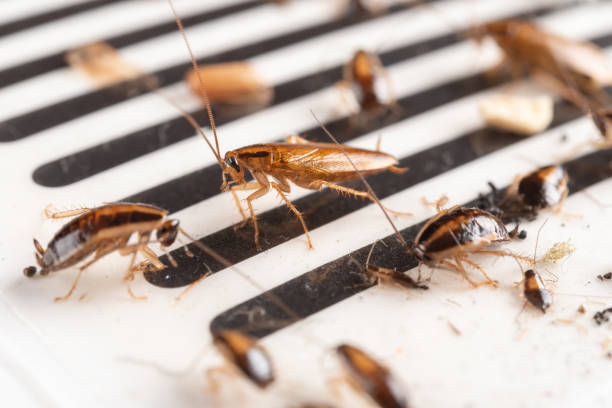
lots of cockroaches have been caught by the sticker or catcher lots of cockroaches have been caught by the sticker or catcher pest Infestations stock pictures, royalty-free photos & images

When to Call a Florida Pest Control Service for Effective Solutions

Pests can be more than just a nuisance—they can cause serious health risks, damage property, and disrupt your daily routine. Knowing when to contact a professional pest control service is essential for effective and timely resolution of infestations. Below are some key indicators that it might be time to seek expert assistance.

Signs That Warrant Professional Pest Control Services

  1. If you’ve repeatedly treated the same pest problem to no avail, it is a clear sign that over-the-counter solutions or DIY methods may not be enough.
  2. Professionals can identify root causes and deploy targeted treatments that address the source rather than just the symptoms.
  3. Certain pests like cockroaches, rodents, and mosquitoes can transmit diseases such as salmonella, hantavirus, or West Nile virus.
  4. Allergic reactions from insects like bed bugs or wasps also warrant swift action from trained pest experts.
  5. Termites, carpenter ants, or rodents often go unnoticed until they cause significant structural or electrical damage.
  6. If you observe wood shavings, chewed wiring, sagging floors, or hollow-sounding wood surfaces, it’s crucial to get professionals involved immediately.
  7. Scratching sounds in walls or ceilings indicate potential rodent activity.
  8. This is especially concerning during nighttime hours when pests are most active.
  9. Nests made of shredded materials such as paper or fabric suggest rodent presence.
  10. Similarly, large wasp nests around windowsills or eaves should prompt urgent action from professionals.
  11. Most pests are nocturnal by nature; seeing them during daylight hours often signals a large infestation.

Reasons to Choose Professional Pest Control

Benefit Explanation
Expertise Technicians are trained to identify pests accurately and treat them effectively.
Safe Solutions Professionals use environmentally responsible products tailored for specific pests.
Long-term Prevention Many services include follow-ups and preventive measures to deter future infestations.
Cost Efficiency Preventing damage early saves money on repairs caused by unchecked infestations.

Common Pest Scenarios Requiring Immediate Attention

  • Rodents in Food Storage Areas: Rodents contaminate food supplies quickly due to their constant gnawing and droppings.
  • Termite Colonies Near Foundation: Termite infestations near your home’s foundation pose significant structural risks if untreated.
  • Bed Bug Outbreaks in Bedrooms: These tiny insects multiply rapidly and can disrupt sleep due to painful bites.

Final Thoughts

While minor pest issues may sometimes be managed with DIY techniques, recognizing the signs of serious infestation is crucial for maintaining safety and comfort at home—or within your business premises. Early intervention by professionals not only ensures effective eradication but also prevents costly consequences over time.

The Importance of Hiring Experts for Effective Pest Removal

Dealing with pest problems can often feel like a never-ending battle. While DIY methods might offer temporary relief, persistent pest infestations usually require the expertise of a professional pest control service. Understanding when to rely on experienced professionals can save you time, money, and unnecessary frustration.

Challenges with Persistent Pest Problems

  • Resistance to DIY Solutions: Pests like bed bugs, cockroaches, and termites are notoriously resilient to over-the-counter treatments.
  • Hidden Infestations: Many pests hide in inaccessible areas such as walls, attics, or basements, making them difficult to eliminate without proper equipment.
  • Fast Reproduction Cycles: Certain pests multiply quickly. Missing even a few individuals during treatment can lead to rapid reinfestation.

These challenges highlight the need for professional intervention when dealing with persistent issues.

Benefits of Hiring Experienced Professionals

Benefits Explanation
Accurate Identification Experts identify the type of pest and tailor treatments accordingly.
Comprehensive Treatment Thorough inspections ensure all affected areas are targeted effectively.
Use of Specialized Equipment Professionals use industrial-grade pesticides and non-toxic solutions unavailable in retail stores.
Long-Term Prevention Expert advice helps implement preventive measures to reduce future risks.
Compliance with Regulations They follow legal guidelines for safe pesticide application and environmental protection.

Common Pests That Require Professional Help

  • Termites: Known as “silent destroyers,” termites can cause extensive structural damage before they’re even detected.
  • Bed Bugs: Extremely difficult to eradicate due to their ability to hide in small crevices.
  • Cockroaches: Spread diseases while being highly resistant to common pesticides.
  • Rodents: Not only do they carry pathogens, but they also chew through wiring and insulation.
  • Ant Colonies: Killing visible ants doesn’t address their nests or queens hidden underground.

Signs That Indicate It’s Time for Professional Intervention

  1. Frequent sightings of pests despite multiple attempts at removal.
  2. Unexplained property damage such as gnawed wires or chewed wooden structures.
  3. Presence of droppings, shed skins, or unusual odors around your home or business premises.
  4. Recurring infestations soon after applying store-bought treatments.

Why Waiting Can Make Matters Worse

Delaying professional help allows infestations to grow in severity, resulting in higher costs down the line—not only for pest removal but also for repairing damages caused by these unwanted visitors.

Professional pest control services provide long-term solutions that go beyond surface-level fixes and address underlying causes effectively.

Effective Strategies for Dealing with Pests: When Professional Help is Necessary

Dealing with pests can be challenging, especially when an infestation grows beyond what you can control with DIY methods. Knowing when to seek professional pest control assistance is essential to safeguard your home or business from damage, hygiene risks, or further infestations. Below are some effective strategies to help you assess when it’s time to call in expert pest control services.

1. Evaluate the Severity of the Infestation

  • Widespread infestations: If pests like termites, cockroaches, or rodents have spread across multiple areas of your property.
  • Recurring problems: When pests keep returning despite repeated efforts to remove them.
  • Structural damage: In cases where pests cause visible destruction (e.g., termites chewing through wood).

2. Identify Hazardous Pests

Pest Type Associated Risks
Rodents Spread diseases like hantavirus and contaminate food sources
Wasps Sting risk leading to allergic reactions
Bed bugs Rapid multiplication leading to sleeplessness and skin irritation
Termites Severe structural damage if left unchecked

If you encounter any of these pests, it’s crucial to avoid handling them yourself and contact a licensed pest specialist.

3. Consider Long-Term Prevention Needs

  • Exclusion techniques: Sealing entry points for rodents or insects.
  • Baiting systems: Targeting specific species while minimizing harm to non-target organisms.
  • Regular inspections: Monitoring high-risk areas for early detection.

These strategies often require advanced training and equipment not typically available with DIY methods.

4. Understand Regulatory Compliance

Some businesses must comply with local health regulations regarding pest management—especially in industries like food service or hospitality. Failing inspections due to visible infestations can lead to fines or closures.

A licensed pest control provider ensures compliance by following industry standards and utilizing eco-friendly products where necessary.

5. Monitor for Warning Signs

  • Presence of droppings, nests, or tracks
  • Strange smells (often associated with rodent activity)
  • Damage to furniture, wiring, walls, or other structures
  • Unusual noises such as scratching within walls at night

Keeping an eye out for these indicators helps determine whether professional intervention is required before the situation worsens.

By considering these strategies carefully, property owners can take proactive steps in addressing pest issues effectively while knowing when it’s appropriate—and essential—to engage expert assistance.

Effective Strategies for Dealing with Pests: When Professional Help is Necessary

Pest infestations can quickly escalate, causing damage to property, creating health risks, and disrupting daily life. While some minor infestations may be manageable with over-the-counter solutions, there are times when professional pest control services become essential. Identifying these situations and understanding the strategies professionals use can save time, money, and stress. Below are effective tactics to deal with pests and insights into when professional intervention is necessary.

Signs That Indicate You Need Professional Pest Control

  • Recurring Infestations: If pests keep returning despite repeated DIY efforts, it may signal a larger infestation or improper treatment methods.
  • Structural Damage: Termites, carpenter ants, or rodents can cause significant harm to walls, furniture, or wiring. Any sign of gnawing marks or hollow-sounding wood should prompt immediate action.
  • Health Risks: Pests like cockroaches and rats carry diseases that can harm humans and pets. Allergic reactions from bites or droppings are also serious concerns.
  • Unidentified Pests: If you encounter insects or wildlife you cannot identify, it’s best to engage professionals who have the knowledge to handle them safely.
  • Presence of Nests or Colonies: Discovering nests for wasps, bees, rodents, or termites often indicates an active infestation that requires specialized removal methods.

Advantages of Professional Pest Control

Benefit Description
Advanced Techniques Professionals use advanced tools and formulas not available to consumers.
Long-Term Solutions Experts address root causes instead of offering temporary fixes.
Health & Safety Compliance Treatment is conducted without compromising the safety of residents.
Preventive Measures Professionals provide guidance on preventing future infestations.

Effective Strategies Used by Professionals

  1. A thorough evaluation is conducted to locate entry points, nesting areas, and the severity of the infestation.
  2. Specialists may use technology such as moisture meters or infrared cameras for hidden infestations (e.g., termites).
  3. Solutions are customized based on the pest type and location (e.g., bait traps for rodents vs. chemical barriers for termites).
  4. Eco-friendly options are often available for households seeking less-invasive approaches.
  5. This involves sealing cracks or gaps in walls and ensuring windows/doors are properly fitted to deter reinfestation.
  6. Screens and mesh coverings may be installed over vents.
  7. Follow-up visits ensure that pests do not return after treatment.
  8. Monitoring devices like traps may be left behind in critical areas as an additional safeguard.

When DIY Solutions Fall Short

  • Traps purchased at hardware stores may capture individual pests but do little against colonies.
  • Overuse of pesticides without professional guidance could harm humans/pets while leaving pests unaffected.

If your efforts prove ineffective after repeated attempts—or if the situation worsens—it’s time to consult experts who possess both experience and precision tools.

By understanding when professional interventions are necessary and what strategies they employ, homeowners can protect their properties more effectively while mitigating risks associated with inadequate pest control measures.


Dealing with a mouse problem can be frustrating, especially when it disrupts your daily life and compromises the safety and cleanliness of your home. While DIY solutions might provide temporary relief, there are specific situations where calling a professional exterminator is the best course of action. Below, we outline key reasons why and when you should seek expert help.

Why You Should Call a Professional Exterminator

  1. Expertise in Identifying the Problem
    Professionals have the experience to correctly identify whether you’re dealing with mice or another pest. Misidentification can lead to wasted time, effort, and money on ineffective treatments.
  2. Prevention of Health Risks
    Mice carry diseases such as hantavirus, leptospirosis, and salmonella that can pose serious health threats to humans. They also bring fleas, ticks, and mites into your home. A professional exterminator knows how to handle infestations safely without putting your household at risk.
  3. Access to Advanced Tools and Techniques
    Professionals use specialized equipment and proven methods that go beyond DIY traps or poisons. These tools are more effective at eliminating mice while minimizing potential harm to pets or children.
  4. Long-Term Solutions
    Most DIY methods focus on immediate removal but fail to address the root cause of the infestation—entry points or nesting sites in hidden areas. Professionals not only remove mice but also provide strategies to prevent their return.
  5. Compliance with Regulations
    In certain areas, pest control methods must comply with legal regulations regarding chemical usage or humane animal treatment. Licensed exterminators ensure all necessary guidelines are followed.

When to Seek Expert Help

  • Persistent Infestation Despite DIY Efforts: If traps aren’t catching mice or you continue seeing signs of activity after attempting various remedies.
  • Multiple Signs of Activity: When you notice droppings across various parts of your home, gnawed wires or furniture, nesting materials like shredded paper, or foul odors.
  • Health Concerns for Vulnerable Individuals: If there are young children, elderly family members, or immunocompromised individuals in your household who could be affected by diseases spread by mice.
  • Structural Damage: Chewed electrical wiring increases fire risks; gnawed building materials can weaken structures over time.
  • Uncertainty About Entry Points: If you’re unable to locate where mice are entering your home despite repeated inspections.
  • Large Infestations Beyond Your Control: A single mouse can quickly multiply into dozens if not addressed promptly; professionals can manage large-scale infestations effectively.

Comparison: DIY vs Professional Mouse Control

Aspect DIY Methods Professional Exterminators
Effectiveness Often short-term solutions Comprehensive removal + prevention
Safety Risky if chemicals/methods misused Safely applied techniques
Cost Lower upfront costs Higher upfront cost; long-term savings
Time Investment Time-consuming Quick identification and resolution
Expertise Limited Extensive training + experience

Addressing a mouse infestation early through professional intervention can save time, money, and stress while safeguarding your property from unnecessary damage.

How Exterminators in Florida Tackle the Hidden Dangers of Mice Carrying Diseases in Your Home

Mice may look harmless at first glance, but their presence poses significant health risks. These rodents are not just a nuisance; they are carriers of various diseases that can be detrimental to you, your family, and even your pets. Understanding how mice spread diseases is a critical step in recognizing the importance of proper pest management.

https://pompanobeachpestcontrol.wordpress.com/

How Do Mice Carry Diseases?

  • Through their droppings and urine: Mice leave behind feces and urine as they scavenge for food. These waste materials contain pathogens that can contaminate surfaces, utensils, and stored food items.
  • Via saliva: When mice gnaw on surfaces or food packaging, their saliva introduces bacteria and viruses into your environment.
  • By carrying parasites: Mice can host fleas, mites, and ticks that carry additional diseases such as Lyme disease or typhus. These parasites may detach from the mouse and spread pathogens to humans or pets.
  • Through airborne transmission: Dust particles contaminated with dried mouse droppings or urine can become airborne when disturbed, making it possible to inhale harmful microorganisms.

Common Diseases Associated with Mice

Disease Transmission Method Potential Impact
Hantavirus Inhalation of contaminated dust Severe respiratory illness
Salmonellosis Consumption of contaminated food Diarrhea, fever, abdominal cramps
Leptospirosis Contact with contaminated water/soil Kidney damage, meningitis
Lymphocytic Choriomeningitis Virus (LCMV) Exposure to rodent urine or nesting material Neurological complications
Plague Fleas carried by infected mice Fever, chills, swollen lymph nodes

Why Mice Are Difficult to Detect Early

  • Nocturnal behavior: Mice are primarily active at night when homeowners are less likely to see them.
  • Small size: Their ability to squeeze through tiny gaps allows them to remain hidden within walls or storage areas.
  • Rapid population growth: A single pair of mice can produce dozens of offspring within weeks.

These factors make early detection challenging but critical for preventing health risks.

Steps to Minimize Risk of Disease Spread

  1. Seal entry points: Inspect your home for cracks and gaps in walls, doors, windows, and foundations where mice may enter.
  2. Maintain cleanliness: Store food in airtight containers and promptly clean food spills.
  3. Use protective gear: If cleaning up after an infestation, wear gloves and masks to avoid direct contact with rodent waste.
  4. Hire pest control professionals: Experts have the tools and expertise needed for safe removal while minimizing contamination risks.

By addressing infestations promptly and implementing preventative strategies, you safeguard your household against the severe dangers associated with these pests.

Discover the Hidden Dangers: How Pest Removal Services in Florida Can Protect Your Home from Disease-Carrying Mice

Mice are more than just an annoyance; they pose significant health risks to you and your household. Despite their small size, these rodents can spread diseases, contaminate food supplies, and damage property. Understanding how mice carry and transmit illnesses can help you take proactive steps to protect your home and family.

How Mice Carry Diseases

  • Contact with Garbage: Mice rummage through trash bins where they pick up bacteria from discarded food and waste.
  • Contaminated Water Sources: Drinking from stagnant or polluted water sources introduces pathogens to their systems.
  • Interaction with Other Infested Areas: Mice traveling from infected homes or environments may bring diseases along with them.

Once exposed, mice spread these pathogens through direct interaction or indirectly via their droppings, urine, saliva, fur, or nesting materials.

Common Diseases Linked to Mice

  1. Spread through inhalation of dust contaminated by mouse droppings or urine.
  2. Symptoms: Fever, muscle aches, fatigue, respiratory distress.
  3. Caused by consuming food or water contaminated by mouse feces.
  4. Symptoms: Abdominal cramps, diarrhea, fever.
  5. Transmitted through exposure to water contaminated by mouse urine.
  6. Symptoms: Headaches, chills, vomiting, kidney damage in severe cases.
  7. Spread through direct contact with an infected mouse or its waste products.
  8. Symptoms: Fever, headache, nausea; in severe cases it may lead to aseptic meningitis.
  9. Carried by fleas that infest mice and other rodents.
Disease Transmission Method Key Symptoms
Hantavirus Pulmonary Syndrome Inhalation of contaminated dust Fatigue, muscle pain, respiratory issues
Salmonellosis Contaminated food/water Diarrhea, fever
Leptospirosis Contact with mouse-contaminated water Headache, kidney damage
LCMV Direct contact with infected mice Fever, nausea

How Diseases Are Spread Inside Your Home

  • Food Contamination: Mice gnaw on packages or walk over kitchen surfaces leaving behind droppings and urine which carry bacteria.
  • Airborne Particles: Droppings left in hidden areas dry out over time; when disturbed they release harmful particles into the air.
  • Nesting Materials: Mice often use insulation or paper for nesting which may harbor pathogens if touched without proper precautions.

Why Early Detection is Crucial

The longer a mouse infestation is ignored: – The higher the risk for disease transmission as populations grow quickly. – Pathogens may reach more areas of your home including bedrooms or food supplies.

Maintaining vigilance for early signs like droppings near food storage areas or scratching sounds inside walls is essential to mitigating the dangers posed by these pests.

By understanding how mice carry diseases into your living spaces and how they spread illness inside your home environment helps establish the urgency for timely professional intervention when faced with an infestation issue.

Why DIY Mouse Control Often Fails and When to Choose a Florida Pest Control Service

Dealing with a mouse infestation can be both frustrating and stressful. While it might seem tempting to rely on do-it-yourself (DIY) methods for quick solutions, these strategies often prove ineffective in the long term. Understanding why these methods fail and when it’s time to call in a professional exterminator can save time, money, and effort.

Why DIY Mouse Control Methods Fail

  1. Many homeowners struggle to locate the primary source of a mouse infestation. Mice are excellent at hiding in hard-to-reach areas such as walls, basements, attics, or crawl spaces. Without identifying the nesting sites and entry points, DIY measures only address surface-level issues.
  2. Commercially available traps and baits may not work as intended due to improper placement or poor-quality products.
  3. Mice are cautious creatures; if traps are placed incorrectly or bait is handled improperly (leaving human scent), they may avoid them completely.
  4. Mice reproduce quickly—one female mouse can produce up to 10 litters annually, with each litter containing 5-12 pups.
  5. DIY solutions rarely address the entire population, allowing infestations to grow exponentially even after initial efforts.
  6. Even if some mice are caught using traps or poison, failing to seal off entry points leaves your home vulnerable to new infestations.
  7. Without expert advice on prevention strategies involving sanitation and exclusion techniques, DIY methods offer only temporary relief.

Common Mistakes in DIY Mouse Control

DIY Mistake Why It Fails
Using too few traps Misses the scope of infestation
Misplacing traps Reduces effectiveness as mice avoid poorly positioned traps
Over-relying on store-bought bait Ineffective against bait-shy mice
Ignoring structural vulnerabilities Allows recurring entry

When You Should Seek Expert Help

  1. Recurring Infestations
    If you’ve tried multiple DIY approaches without success or the problem keeps returning after temporary fixes, it’s time for professional intervention.
  2. Signs of Severe Infestation
    Significant indicators such as droppings throughout your home, scratching noises in walls at night, chewed wires or furniture, or foul odors suggest an established infestation requiring expert attention.
  3. Health Risks Are Present
    Mice carry diseases like Hantavirus and Salmonella that pose severe health risks when their droppings contaminate surfaces or food supplies. Professionals use safe techniques that minimize exposure during cleanup processes.
  4. You Lack Time or Resources
    Addressing a mouse problem comprehensively takes time and expertise. If you’re unable to dedicate adequate resources toward monitoring traps or sealing entry points effectively, pest control experts provide efficient solutions tailored to your home’s needs.

Benefits of Hiring Professional Exterminators

  • Professionals thoroughly assess your property for entry points and nesting areas often missed by homeowners.
  • They use advanced tools like infrared cameras or rodent tracking powders that detect hidden activity.
  • Pest control companies apply safe yet highly effective treatments that eliminate existing populations while preventing future invasions.
  • Experts offer customized prevention plans that include structural repairs (sealing cracks/holes) along with sanitation advice for long-term protection against mice.

By understanding why DIY approaches frequently fall short and recognizing when professional help becomes essential, you’ll be better equipped to handle mouse infestations effectively while safeguarding your home from future problems.

How a Pest Control Company Identifies and Resolves Mouse Problems Effectively

Effectively resolving a mouse infestation requires uncovering its root cause. Professional exterminators are trained to identify where mice enter, hide, and breed within your property. This systematic approach ensures that they address the issue comprehensively rather than just solving the symptoms. Below are methods and tools professionals use to locate the source of a mouse problem.

Thorough Pest Removal by Inspecting Entry Points

Professionals begin by thoroughly inspecting both the exterior and interior of your property to identify potential entry points. Common areas they examine include:
Cracks in walls or foundations: Small gaps in the structure can serve as entry points for mice.
Windows and doors: Gaps around frames or torn weatherstripping often allow access.
Rooflines and vents: Openings near roof eaves, chimneys, or attic vents are common points of entry for rodents.

Once located, these entry points are documented for sealing or repair.

Identification of Nesting Areas

Mice seek isolated, dark spaces to build nests, often using available materials like paper, fabric, or insulation. Exterminators look for nests in locations such as:
– Attics and basements
– Behind walls or large appliances (e.g., refrigerators)
– Storage boxes or cluttered areas with limited human disturbance

By pinpointing nesting sites, exterminators can better assess infestation severity.

Detection of Droppings and Tracks

Mouse droppings and tracks are clear indicators of rodent activity. Professionals analyze these signs to determine high-traffic areas:
Droppings: Found along baseboards, inside cabinets, or near food sources; their size indicates mouse presence over other pests like rats.
Tracks: Dusty surfaces may reveal footprints or tail drag marks. Exterminators may use tracking powder to confirm active pathways.

Additionally, professionals might inspect grease marks left on walls where mice frequently travel.

Assessing Food Sources

Mice infest homes primarily seeking food sources. Professionals evaluate how accessible food is within your home by inspecting kitchens, pantries, and trash areas for evidence such as gnawed packaging or spilled crumbs.

Importance of Identifying the Source

Addressing only visible signs without tackling the root cause can lead to recurring infestations. By identifying the source through their thorough inspections and expertise, professional exterminators ensure long-term solutions rather than temporary fixes.

The Safe and Advanced Methods Professionals Use to Eliminate Mice Infestations Completely

When dealing with a mouse infestation, professional pest control services employ a variety of advanced and safe techniques. These methods are designed to not only eliminate the existing problem but also prevent any potential risks to the household or environment. Here, we’ll explore the strategies experts use to ensure thorough and effective pest management.

Comprehensive Inspection and Assessment

Before any treatment begins, professionals perform a detailed inspection of your property. This step is vital in identifying: – Entry points: Small gaps around doors, walls, foundations, or utility lines. – Nesting areas: Hidden spaces such as behind walls, attics, or basements. – Food sources: Spilled food or improperly sealed containers that attract mice. – Extent of infestation: Understanding the size of the population for targeted treatment.

By pinpointing these factors, exterminators tailor their approach for maximum efficiency.

Use of Modern Trapping and Removal Techniques

Professionals rely on advanced trapping systems that are both humane and effective. Common methods include: 1. Snap traps: Designed for quick elimination with precision placement. 2. Live traps: For those who prefer non-lethal methods; allow captured mice to be released far from residential areas. 3. Electronic traps: Utilizing technology to deliver an instant kill for quick mouse removal.

These tools are strategically placed in high-activity zones identified during the assessment stage.

Targeted Use of Rodenticides (As Needed)

In cases where infestations are severe, professionals may use rodenticides selectively. Licensed exterminators ensure: – Use of pesticides approved by regulatory authorities. – Proper placement in tamper-proof bait stations to protect children and pets. – Strict adherence to dosage requirements for environmental safety.

The controlled application ensures no unnecessary impact on surrounding ecosystems.

Sealing Entry Points

A critical part of professional intervention is exclusion work—sealing off entry points to prevent re-entry by mice. Common strategies include: – Using steel wool or caulking to close small holes. – Installing weather stripping under doors. – Adding mesh screens over vents and chimneys.

This long-term solution minimizes opportunities for future infestations.

Cleaning and Sanitizing Affected Areas

Mice often leave behind harmful droppings that can contaminate surfaces and spread diseases like hantavirus. Pest control experts handle cleanup with specialized equipment such as: – HEPA vacuums for safe removal of droppings. – Antimicrobial sprays to disinfect affected areas thoroughly.

This ensures a healthier living environment post-treatment.

Monitoring with Technology

Some modern exterminators use technology-enabled monitoring systems to track mouse activity after treatment. These tools provide real-time updates on whether the infestation has been fully resolved or if further action is required.

Method Purpose Advantages
Snap traps Immediate elimination Cost-effective and fast
Live traps Humane capture Non-lethal method
Rodenticides Severe infestations Effective against large populations
Exclusion work Preventing re-infestation Long-term solution
Sanitizing Removing health hazards Ensures safe living spaces

By utilizing these safe, advanced methods, professionals ensure complete eradication while protecting your family’s health and maintaining environmental safety.

Preventing Future Mouse Infestations with Expert Guidance from Pest Control Professionals

Preventing mice infestations is as important as addressing an active infestation. Mice are not only a nuisance but can also pose serious health risks and cause structural damage to your property. Professional pest control experts provide valuable insight and strategies to help keep these pests away for good. Below, we explore the key methods professionals recommend for long-term prevention.

Seal Entry Points

Ensure these areas are sealed using materials like steel wool, caulking, or heavy-duty mesh. Professionals may also use specialized sealants that are resistant to gnawing.

Eliminate Food Sources

  • Storing all pantry items in airtight containers made of glass or metal
  • Regularly cleaning up crumbs, spills, and food debris from floors and counters
  • Emptying trash bins frequently and using bins with tightly sealed lids
  • Avoiding leaving pet food out overnight

By depriving mice of food sources, you reduce their motivation to invade your space.

Maintain a Clean Environment

  • Decluttering storage areas such as basements, attics, or garages
  • Keeping firewood stored at least 20 feet away from the house
  • Trimming shrubs or vegetation near the foundation of your property
    By reducing clutter indoors and outdoors, you make it more difficult for mice to find places to nest.

Use Professional Monitoring Tools

Professional Tools Purpose Benefits
Rodent bait stations Safely lure mice Effective in high-risk areas
Electronic monitors Track rodent activity remotely Allows proactive intervention
Exclusion devices Prevent re-entry Long-term preventive solution

These tools provide additional peace of mind by catching issues before they escalate into full-blown infestations.

Schedule Regular Inspections

  1. Identify potential risks early on
  2. Assess the effectiveness of existing preventive measures
  3. Provide tailored advice based on any changes observed in rodent behavior

Regular assessments act as an extra layer of protection against future infestations.

By implementing these preventive measures under the guidance of pest control experts, homeowners can significantly reduce the risk of recurring mouse problems while maintaining a safer and healthier living environment long term.