
Dealing with pests in your home or business can be frustrating and overwhelming. Knowing when to involve experts can save time, money, and prevent the problem from escalating.
Signs That Indicate You Need Professional Help
- Recurring Infestations: If pests keep coming back despite your efforts, it’s a sign that the issue requires professional attention. Experts can identify hidden nests or colonies and provide long-term solutions.
- Structural Damage: Termites, carpenter ants, and other pests can cause significant damage to wood structures, drywall, or insulation. Visible damage often means a serious underlying infestation.
- Health Risks: Some pests like rodents and cockroaches carry diseases that pose threats to human health.
- Unidentified Pests: Certain pests are difficult to identify without proper training. If you’re unsure what type of pest has invaded your space, professionals can diagnose and treat the problem effectively.
- Large Infestation: A widespread infestation is nearly impossible to manage without expert help. Multiple sightings of pests or overwhelming numbers warrant immediate intervention.
Benefits of Hiring Professional Pest Control Services
- Expert Knowledge
- Proper Equipment and Treatment Methods
Most homeowners lack access to commercial-grade tools and treatments designed for specific infestations. Professionals use safe and effective materials that comply with regulations. - Minimized Risk
Misusing chemicals during DIY treatments can endanger both humans and pets. Pest control specialists follow strict safety protocols to ensure minimal exposure to harmful substances. - Long-Term Prevention Plans
DIY vs Professional Services Comparison Table
| Factor | DIY Approach | Professional Services |
| Cost (Initial Investment) | Lower upfront cost | Higher upfront cost |
| Effectiveness on Large Infestations | Limited | Highly effective |
| Knowledge Required | Basic knowledge of common pests | Expertise in all pest types |
| Safety Concerns | Higher chance of chemical misuse | Low risk due to trained technicians |
| Prevention Measures Offered | Minimal | Comprehensive strategies |
When Acting Quickly Matters
Delaying action can lead to severe consequences including structural damage, disease spread, increased costs for repairs or fumigation services, and even potential eviction from rental properties due to health hazards caused by infestations.
If you’ve noticed any signs outlined above or feel overwhelmed by an ongoing pest issue, it’s always better to consult professionals sooner rather than later for an efficient solution tailored specifically for your needs.
Florida Pest Control: Everything You Should Know About Nature’s Garden Ninjas
The praying mantis is an extraordinary insect widely regarded as one of nature’s most effective predators. Their unique appearance, predatory skills, and ecological importance make them fascinating creatures worth learning about. Below, we delve into everything you need to know about these garden ninjas and how they play an integral role in maintaining the balance of ecosystems.
Characteristics of the Praying Mantis
The praying mantis is named for its front legs, which are often folded in a “prayer-like” pose.
- Long, slender bodies varying in color from green to brown.
- Triangular heads that can rotate up to 180 degrees, allowing them to scan their surroundings.
- Prominent compound eyes that provide a wide field of vision and excellent depth perception.
- Highly skilled ambush predator.
- Masters of camouflage; they blend seamlessly into plants or flowers.
- Diet
Mantises are primarily carnivorous and feed on smaller insects such as flies, aphids, crickets, and even other mantises. In some cases, they may capture larger prey like small reptiles or birds if the opportunity arises.
Role of Praying Mantises in Your Garden
Praying mantises are one of nature’s most efficient pest control agents. They help maintain balance in your garden by naturally regulating populations of harmful insects.
- Natural Pest Control
They eat pests such as aphids, mosquitoes, caterpillars, and beetles that can destroy plants and crops. - Low Maintenance Allies
Unlike chemical pesticides that may harm beneficial organisms or pollinators like bees and butterflies, mantises only target pests without damaging the environment. - Eco-Friendly Solution
Having praying mantises around reduces reliance on chemical interventions for pest management.
How to Attract Praying Mantises
- Plant Diversity
Grow a variety of shrubs and flowering plants where they can nest or hunt. - Avoid Pesticides
Limit the use of broad-spectrum pesticides as they may kill beneficial insects like praying mantises. - Purchase Egg Cases (Oothecae)
You can purchase praying mantis egg cases online or at gardening stores during springtime. Place them strategically around your yard to encourage population growth.
Interesting Facts About Praying Mantises
| Fact | Description |
| Vision | Can detect motion up to 60 feet away due to their excellent eyesight. |
| Lifespan | Typically live for about one year in the wild. |
| Predatory Style | They remain motionless for long periods before striking their prey at lightning speed (in just milliseconds). |
| Mating Behavior | Females sometimes exhibit sexual cannibalism by consuming males after mating—though this behavior isn’t universal across all species! |
Understanding the ecological role played by praying mantises highlights their significance as more than just fascinating creatures—they’re vital allies in keeping outdoor spaces thriving with life while reducing pest populations naturally. By protecting and encouraging their presence in gardens and agricultural areas alike, we allow nature’s balance to flourish effectively without intrusive interventions.
Exterminators in Florida: Everything You Should Know About Nature’s Garden Ninjas
The praying mantis is one of nature’s most fascinating insects, often referred to as “garden ninjas” due to their stealthy movements and efficient predation. These unique creatures not only captivate with their appearance but also play an essential role in maintaining the ecological balance of gardens and natural environments. Below, we explore key aspects of the praying mantis, including its biology, behavior, and benefits for your garden.
Physical Characteristics of the Praying Mantis
Praying mantises are easily recognizable by their slender bodies and distinctive forelegs, which they hold in a prayer-like position.
- Size: Depending on the species, they can range from 1 to 6 inches in length.
- Coloration: They typically appear green or brown to blend seamlessly into foliage.
- Flexibility: Their heads can rotate up to 180 degrees, allowing them to scan their surroundings effectively.
These characteristics enable them to remain camouflaged while waiting for prey.
Behavior and Hunting Techniques
Praying mantises are highly skilled predators with a hunting strategy that relies on patience, speed, and precision.
- Ambush Predators: They remain motionless for long periods until an unsuspecting insect approaches within striking distance.
- Common prey includes flies, crickets, moths, grasshoppers, and even other mantises.
- Larger species have been observed hunting small reptiles or amphibians.
- Quick Strikes: Their specialized forelegs are equipped with spines that grasp prey securely during an attack.
Life Cycle of a Praying Mantis
| Stage | Description |
| Egg | Females lay clusters called “ootheca” that protect eggs through winter. |
| Nymph | Hatchlings resemble smaller adults but lack wings; they molt several times. |
| Adult | Fully grown mantises develop wings and focus on reproduction and hunting. |
The entire lifecycle spans about six months to a year.
Benefits of Having Praying Mantises in Your Garden
- Mantises feed on destructive insects like aphids and caterpillars.
- Their presence reduces dependency on chemical pesticides.
- Unlike some insects that damage leaves or roots, praying mantises directly target pests without harming vegetation.
- Encouraging these predators supports ecological health by balancing insect populations naturally.
Encouraging Praying Mantises in Your Garden
- Avoid using chemical pesticides that could harm them or reduce available prey.
- Maintain diverse plant life with shrubs and tall grasses where they can find cover.
- Consider purchasing ootheca (mantis egg cases) from reputable suppliers during springtime.
By fostering an environment suited for these remarkable insects, you can benefit from their pest-controlling abilities while enjoying their fascinating presence.
The praying mantis truly lives up to its reputation as nature’s garden ninja—a stealthy predator vital for pest control success while contributing significantly to the balance of natural ecosystems.

The Importance of Pest Removal Services in Florida for Ecosystem Balance and Control
Pests may seem like an inconvenience, but they play a significant role in maintaining balance within natural ecosystems. Understanding their function in these environments can help us appreciate their ecological importance and inform pest control strategies that align with sustainable practices.
https://palmbaypestcontrol4.wordpress.com
The Ecological Role of Pests
Pests contribute to ecosystems in various ways, often functioning as a vital component of the food web.
- Decomposers: Certain pests, such as termites and beetles, aid in breaking down organic material like dead plants and animals.
- Prey for Other Species: Many pests serve as a crucial food source for birds, amphibians, reptiles, and mammals.
- Aphids are a common food source for ladybugs.
- Mosquito larvae are consumed by fish and aquatic insects.
- Pollinators: While not often thought of as pests in this context, some insects like flies contribute to pollination, supporting plant reproduction and crop yields.
How Pests Maintain Ecosystem Balance
Nature has built-in mechanisms to keep populations under control through predator-prey relationships.
| Pest Species | Natural Predator(s) | Function Provided by Predators |
| Aphids | Ladybugs, lacewings | Reduces overpopulation that harms plants |
| Mosquitoes | Dragonflies, bats | Helps control the spread of diseases |
| Caterpillars | Birds | Prevents foliage devastation |
Without these natural checks and balances provided by predators or environmental factors like weather conditions, ecosystems risk becoming destabilized. Overpopulation of pests could lead to resource depletion or disease outbreaks among flora and fauna.
Sustainable Pest Control Practices
Understanding the ecological roles of pests can help guide sustainable pest management practices that minimize harm to beneficial organisms within an ecosystem.
- A combination of biological controls (introducing natural predators) and environmentally friendly chemical applications is used to manage infestations effectively while preserving biodiversity.
- Planting native shrubs or flowers can attract beneficial insects like ladybugs or predatory wasps to your garden.
- Opting for targeted pesticide applications reduces the risk of harming non-pest species critical for maintaining balance.
- Maintaining healthy ecosystems discourages pest outbreaks by fostering a diverse range of organisms that naturally regulate one another.
Understanding how pests influence the intricate web of life not only highlights their importance but also underscores why approaches such as IPM prioritize coexistence over eradication wherever possible. By focusing on balance rather than elimination, we ensure both human needs and ecological health remain safeguarded over time.
How to Spot Early Signs of a Pest Infestation with a Florida Pest Control Service
Timely identification of pests in your home is crucial to prevent infestation from escalating into a larger, more costly problem. Recognizing early signs can help you take quick action and mitigate damage. Below are expert tips to assist you in identifying the early warning signals of a pest issue.
Inspect for Physical Evidence
One of the most direct ways to identify pests is through physical evidence.
- Droppings: Rodents and insects often leave behind droppings, which are key indicators of their presence.
- Rodent droppings are typically dark and pellet-shaped.
- Cockroach droppings resemble ground pepper or coffee grounds.
- Dead Insects: Finding dead bugs near window sills, corners, or entry points can indicate an active infestation.
- Egg Casings or Shed Skins: Many pests such as roaches and bed bugs leave behind eggshells or molted skin.
Use a flashlight during inspections to focus on tight spaces, cracks, and hidden areas where pests might reside.
Pay Attention to Unusual Noises
Some pests are active at night, making it essential to listen for unusual sounds after dark: – Scratching or scurrying noises may point to rodents like mice or rats nesting within walls or attics. – Buzzing sounds could indicate flying insects such as wasps, hornets, or flies.
These noises often originate from specific areas like walls, ceilings, basements, or chimneys.
Check for Structural Damage
Pests like termites and rodents can cause noticeable damage over time.Gnawed Wires and Wood: Rodents often chew on electrical wires and wood structures within your home.Hollow-Sounding Wood: Tap wooden furniture or beams—hollow sounds may signal termite damage beneath the surface.Damaged Entry Points: Chewed window screens, gaps near doors, and small holes in walls could be entryways created by pests.
A proactive inspection of your home’s structural elements can prevent these issues from worsening.
Monitor for Foul Odors
Certain pests produce distinct odors that serve as an indicator of their presence: – A strong musty smell might indicate bed bugs. – Ammonia-like odors may signify rodent urine. – Rotting food odors could result from pest activity around improperly stored food items.
These smells often linger near pest nesting sites like cupboards, basements, or pantries.
Observe Changes in Your Surroundings
Changes in your living environment can also point toward an infestation: – Greasy smudges along baseboards may be caused by rodents’ oily fur rubbing against surfaces. – Piles of sawdust-like material (frass) could indicate wood-boring insects like carpenter ants or termites. – Plants with chewed leaves might suggest outdoor-to-indoor pest migration.
Pay attention to both indoor and outdoor spaces when monitoring changes in your surroundings.
Quick Reference Table for Common Signs
| Pest Type | Common Signs | Potential Areas Affected |
| Rodents | Droppings, gnawed wires/wood | Attic, kitchen cabinets |
| Termites | Hollow-sounding wood, frass | Wooden furniture/beams |
| Bed Bugs | Musty smell; red bite marks | Mattresses; fabric furniture |
| Cockroaches | Ground pepper-like droppings; egg casings | Kitchens; bathrooms |
| Ants | Trails toward food sources | Pantry; countertops |
By referring to this table during routine checks around your home, you can quickly narrow down potential culprits based on observed evidence.
Regular inspections using these tips should form part of a preventative strategy against infestations. Identifying these signs promptly allows homeowners to address the issue early—saving both time and resources while ensuring a healthier living environment.
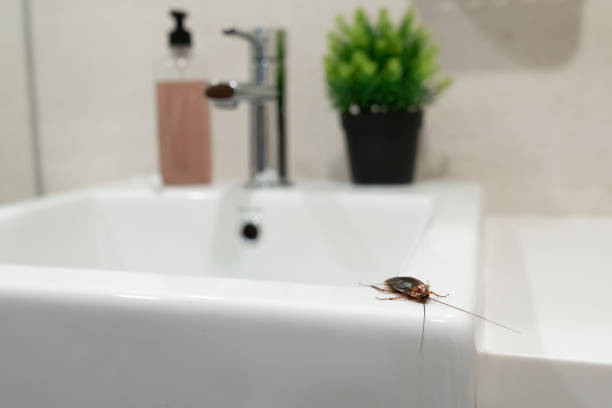
Effective Pest Removal: Why Acting Swiftly is Crucial for Common Infestations
Pest problems can escalate quickly if left unchecked, leading to potential health risks, property damage, and increased costs for removal. Acting swiftly when dealing with pests is crucial to mitigate these risks and maintain a safe living or working environment.
Why Acting Quickly Matters
- Pests such as rodents, cockroaches, or ants reproduce rapidly. A small problem today can become a full-blown infestation within weeks if not addressed promptly.
- Pests can carry diseases that may affect your family or employees. Prompt action reduces exposure to harmful bacteria, viruses, and allergens spread by pests like rodents or cockroaches.
- Hantavirus from rodents
- Salmonella from contaminated surfaces
- Asthma triggers caused by cockroach droppings
- Certain pests like termites and carpenter ants cause severe structural damage over time by eating away at wood in homes or buildings. Early detection and intervention save thousands in repair costs.
Steps for Swift Action Against Pests
- Early Identification
Learn to recognize the signs of a potential pest problem: - Droppings or urine stains
- Chewed wires or furniture
- Unusual odors (e. g.
- Visible nests or burrows
- DIY Solutions for Minor Problems
For small infestations: - Seal cracks and gaps around windows, doors, and pipes.
- Use traps for rodents or bait stations for ants.
- Apply diatomaceous earth for crawling insects like cockroaches.
- Know When to Call Professionals
Some problems require expert intervention: - Persistent infestations despite DIY efforts
- Structural damage caused by termites
- Large nests of stinging insects such as wasps or hornets
- Preventative Measures
Taking proactive steps can prevent future issues:- Regularly clean food crumbs and spills.
- Store food in sealed containers.
- Dispose of garbage regularly and keep lids secure.
Cost Implications of Delayed Action
| Problem Type | Cost Impact |
| Structural Repairs | Thousands due to termite damage |
| Health Treatments | Medical bills resulting from allergies/infections |
| Professional Services | Higher extermination costs for severe infestations |
Timely action not only saves money but also ensures that your home remains a safe environment for your family or colleagues.
Final Thoughts on Swift Pest Control
Dealing with pests requires immediate attention at the first sign of trouble. By staying vigilant, using preventative measures, and seeking professional help when necessary, you can avoid costly damages while maintaining health and safety standards in your space. Remember that being proactive is always better than being reactive when it comes to managing pests effectively.
- When to Call Florida Pest Control for Professional Help with Mice Problems
- When Should You Hire a Pest Control Company for Effective Solutions
- When Should You Hire Florida Pest Control to Effectively Handle Infestations
- How to Choose the Right Pest Control Company for Your Needs
- When to Call a Pest Control Company for Effective Solutions
- How to Choose the Best Florida Pest Control Services and When to Call an Exterminator
- Identifying Pest Infestations and When to Contact Florida Pest Control